I Scraped State of Devs 2026. The Interesting Part Isn't the Code.
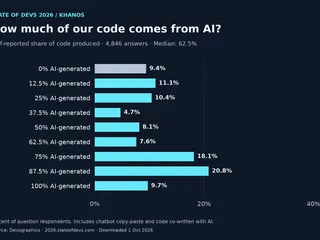
A developer's look under the hood of State of Devs 2026: AI-generated code, engineering understanding, burnout, and a few patterns worth arguing about.
Read article
Experienced Engineer proficient in diverse modern technologies. Enthusiastic about technology, committed to continuous learning, and passionate about great coffee. Dedicated to sharing knowledge, embracing challenges, and enjoying the journey of growth.
Thoughts, tutorials, and lessons learned about software engineering, AI, and the developer journey.

A developer's look under the hood of State of Devs 2026: AI-generated code, engineering understanding, burnout, and a few patterns worth arguing about.
Read article
In the fast-paced realm of software development, where lines of code shape digital landscapes, mental and physical health often take a backseat. Yet, as developers, our well-being is the cornerstone of our productivity and creativity. In this blog post, we'll explore the importance of healthcare and the prevalent issue of anxiety among software developers. Healthcare encompasses more than just treating illnesses; it's about proactive measures to maintain a balanced lifestyle. As developers, sitting for prolonged hours in front of screens is a norm. However, neglecting physical activity and proper nutrition can lead to a myriad of health issues, including obesity, cardiovascular diseases, and musculoskeletal disorders. Incorporating regular exercise, balanced diets, and adequate sleep into our routines can significantly improve our overall health and productivity. Moreover, mental health is equally crucial. The high-pressure environment of software development, coupled with tight deadlines and complex problem-solving, often leads to stress and anxiety. Seeking professional help and practicing mindfulness techniques can help manage stress levels and promote mental well-being. Anxiety is a silent but pervasive issue in the software development community. The pressure to meet deadlines, solve intricate problems, and stay updated with ever-evolving technologies can take a toll on mental health. Moreover, imposter syndrome, the fear of not being competent enough despite achievements, adds another layer of anxiety. The remote work culture, exacerbated by the COVID-19 pandemic, has further blurred the boundaries between work and personal life, leading to increased burnout and anxiety among developers. The lack of social interaction and support exacerbates feelings of isolation and stress. Recognizing and addressing anxiety is the first step towards holistic well-being. Employers can foster a supportive work environment by offering mental health resources, organizing stress-relief activities, and encouraging open communication. Additionally, establishing work-life balance and setting realistic expectations can alleviate anxiety and prevent burnout. As individuals, practicing self-care is paramount. Taking regular breaks, engaging in hobbies outside of work, and seeking support from peers and mental health professionals can help manage anxiety effectively. Moreover, being mindful of our limitations and prioritizing self-care over work is essential for long-term well-being. Practice mindfulness: Incorporate mindfulness techniques such as deep breathing, meditation, or yoga into your daily routine to reduce stress and promote mental clarity. Establish boundaries: Set clear boundaries between work and personal life to prevent burnout. Allocate specific times for work, leisure, and relaxation, and stick to them diligently. Stay active: Regular exercise releases endorphins, which are natural mood boosters. Incorporate physical activity into your routine, whether it's going for a walk, jogging, or engaging in your favorite sport. Prioritize self-care: Make self-care a priority by engaging in activities that bring you joy and relaxation. Whether it's reading a book, listening to music, or spending time with loved ones, carve out time for activities that nourish your soul. Seek support: Don't hesitate to reach out to friends, family, or mental health professionals for support. Talking about your feelings and concerns can provide relief and perspective. Practice positive self-talk: Challenge negative thoughts and replace them with positive affirmations. Remind yourself of your strengths, accomplishments, and resilience in overcoming challenges. Limit exposure to stressors: Identify triggers that exacerbate your anxiety and take steps to minimize exposure to them. Whether it's setting boundaries with technology, avoiding stressful situations, or limiting exposure to negative news, prioritize your mental well-being. Focus on the present: Practice living in the present moment rather than dwelling on past mistakes or worrying about the future. Mindfulness techniques such as grounding exercises can help anchor you in the present moment and reduce anxiety. By incorporating these strategies into your daily life, you can effectively manage anxiety and cultivate a healthier mindset. Remember, small steps can lead to significant improvements in your overall well-being. You're not alone, and there is support available to help you navigate through challenging times. Take care and prioritize your mental health! In conclusion, prioritizing health care and addressing anxiety are essential for software developers to thrive in their careers. By fostering a culture of well-being and practicing self-care, we can cultivate a healthier and more productive software development community. Remember, your health is your most valuable asset—nurture it, cherish it, and prioritize it. Stay healthy, stay happy, and keep coding!
Read article
While the claims surrounding Devin, the supposed AI software engineer, are intriguing, a closer look reveals a need for measured skepticism. Here's a breakdown: Limited Transparency: Crucial details about Devin's inner workings and capabilities are absent. Without understanding how it truly functions, evaluating its effectiveness and potential remains challenging. Questionable Claims: Coding with a Single Prompt: Writing complex software solely based on brief instructions is highly improbable. Passing Engineering Interviews: These interviews likely involved specific scenarios tailored for AI performance, not reflecting the full spectrum of real-world software engineering. Focus on Early Access: The emphasis on obtaining "early access" through a form submission raises a red flag, potentially indicating a marketing ploy rather than a readily available tool. Devin is more likely an advanced code generation and automation tool, not a true replacement for human engineers. While it can potentially assist with repetitive tasks and expedite certain aspects of development, human expertise, creativity, and problem-solving remain irreplaceable in software engineering. Therefore, while Devin represents an interesting advancement in AI, treating it as a world-dominating "first AI software engineer" is misleading.
Read articleExperiments, prototypes, and engineering rabbit holes worth sharing.
Swipe or scroll to explore. Use the previous and next buttons or the left and right arrow keys; the buttons wrap back around at either end.
A bilingual invoice editor with live A4 preview, browser print/PDF export, Google sign-in, and account-scoped invoices in Postgres.
View repositoryA GTK 4 hardware monitor for Omarchy that reads Linux sensors directly and follows the active desktop palette.
View repositoryA Venezuelan-themed wallpaper generator with seeded layouts, visual balancing, tile-aware placement, and browser export.
View repositoryA focused Python CLI for wrapping PNG assets in SVG containers and optimizing those wrappers for web pipelines.
View repositoryA local-first image workspace on top of ComfyUI with model discovery, workflow adapters, generation controls, and SQLite history.
View repository
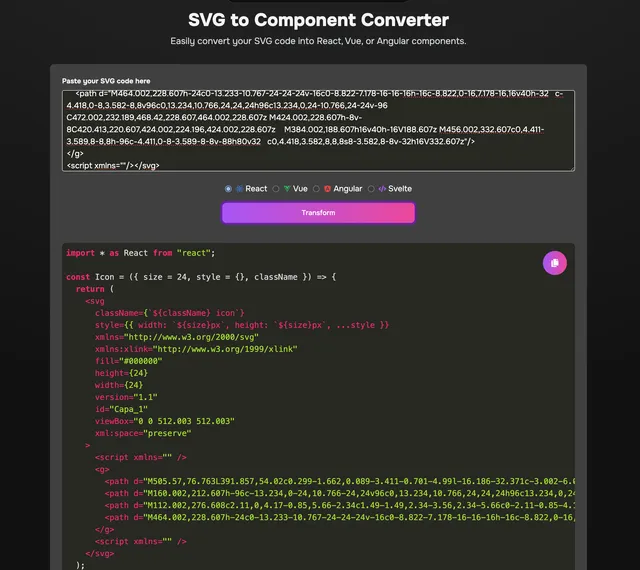
Turn SVGs into React, Vue, Angular, or Svelte components in a few steps.
Convert an SVG
Search recent GitHub commits and explore a React island backed by the GitHub API.
Open experiment
Manage short links as the owner. Shared short links remain public.
Owner login


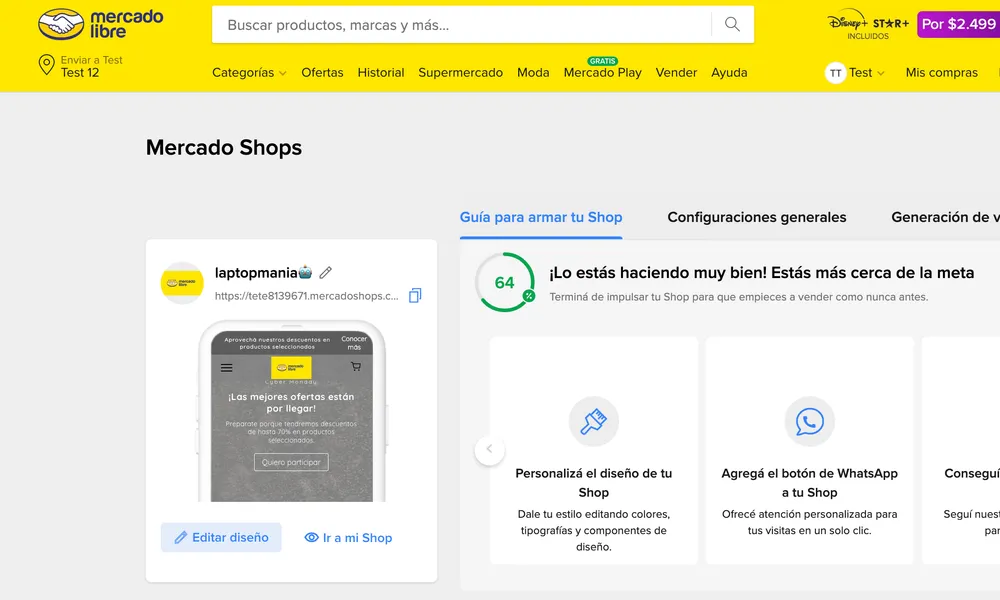
I work as a Frontend Engineer at MercadoLibre, focusing on enhancing the user experience during crucial steps of the purchasing flow. Conducting in-depth metric analysis and exploring various approaches, I documented findings to optimize form completion rates, overseeing the implementation process from coding to deployment. Additionally, I contributed to refining personalized templates for the MercadoShops division.
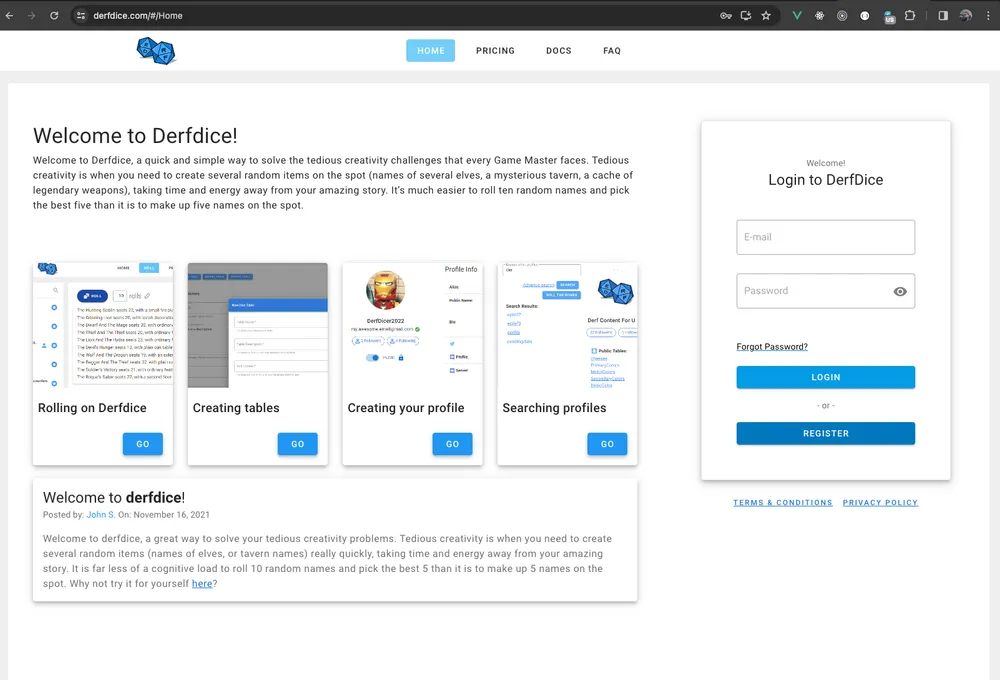
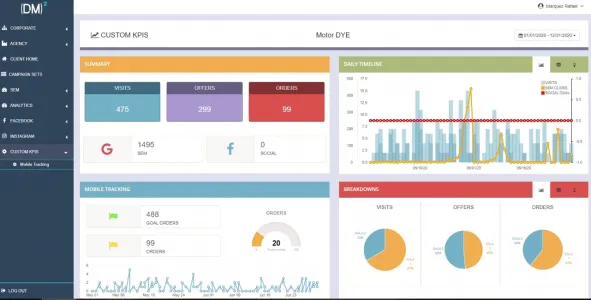
As a Frontend Developer, I spearheaded the creation of the DerfDice application, adhering to UI/UX best practices and prioritizing minimalist design for optimal user experience. Crafting diverse dashboards to creatively showcase data, I utilized cutting-edge technologies such as React, Vue.js, Angular, Astro, jQuery, and KnockOut.
Transitioning to backend development, I built the DataCollector tool, integrating various security protocols to retrieve valuable insights from digital marketing platforms. Storing data in SQL databases and utilizing asynchronous jobs for automation, I adopted a test-driven development approach, focusing primarily on Node.js, Express, Sails.js, SQL, and NoSQL.
As an Engineer, I developed a Monte Carlo simulation tool for probabilistic distribution forecasting, leveraging open-source technologies like Python and R, along with QooxDoo. Despite encountering missing requirements, I showcased my mathematical background by delivering the project efficiently.
Eager for new challenges and ready to embark on the next chapter of my career journey. ✨